
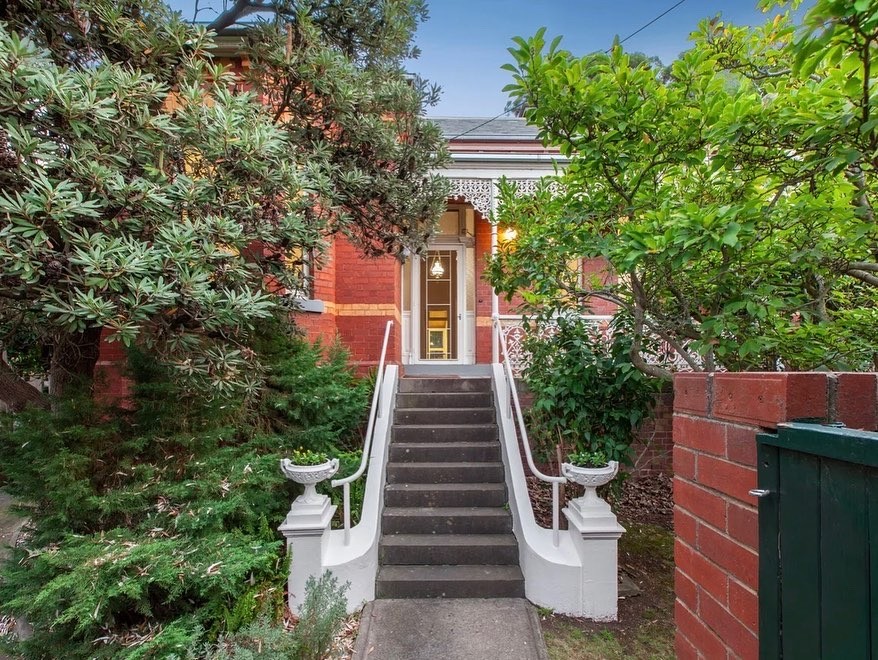
Spotlight on Eaglemont
There is a moment, driving up from Lower Heidelberg Road into the elevated streets of Eaglemont, where the character of the suburb reveals itself all at once. The canopy thickens, the noise of the arterial roads falls away, and the houses begin to speak in a quieter, more considered language — of leadlight windows and deep verandahs, of gardens tended for the better part of a century. It is a short drive from anywhere in Melbourne's inner north, yet it feels like an arrival somewhere else entirely.
Eaglemont's story begins with land, and with the people who recognised its potential long before most others. Carved from the former Mount Eagle estate in the years before the First World War, the suburb owes much of its enduring character to Walter Burley Griffin and Marion Mahony Griffin, whose subdivisions embedded the principles of the garden suburb movement into the landscape itself. Curving streets follow the contours of the land, generous setbacks preserve space and light, and homes maintain a deliberate relationship with their gardens. That legacy remains evident today in estates such as Glenard and Mount Eagle, where Arts and Crafts, Federation, Edwardian and mid-century modern homes sit comfortably alongside one another, each period adding its own quiet chapter to the suburb's architectural story.
Eaglemont's connection to the Heidelberg School only deepens its appeal. Arthur Streeton lived and painted from a cottage on what is now Summit Drive, drawn — as so many have been since — to the remarkable quality of light that washes across the Yarra Valley from these hills. It is easy to understand why the Australian impressionists found inspiration here. The views west towards the city, framed by red gums and the slow curve of the Yarra below, remain among Melbourne's most captivating and have lost none of their allure.
For all its history, Eaglemont has never relied on grandeur alone. Its village shopping strip beside the railway station remains modest and distinctly local — a collection of cafés and specialty stores where familiarity still matters, and where residents are just as likely to walk for their morning coffee as they are to drive. When something more is needed, the restaurants and retail of Ivanhoe and Heidelberg's Burgundy Street are only minutes away. The direct train service into the CBD adds another layer of convenience to a suburb that otherwise feels wonderfully removed from the pace of city life.
Green space is woven into everyday life in a way few Melbourne suburbs can match. Chelsworth Park and the Yarra Trail provide kilometres of walking and cycling paths along the river, while the Eaglemont Historic Homestead Walk offers a glimpse into the suburb's rich architectural heritage. The proximity of the Austin Hospital, together with several highly regarded public and private schools, further reinforces Eaglemont's enduring appeal to families.
What has always distinguished Eaglemont, however, is how tightly it is held. Turnover remains among the lowest in metropolitan Melbourne, reflecting a suburb where people settle for decades rather than years. It is a place where heritage, landscape and community exist in rare balance — one of Melbourne's most quietly exceptional addresses, valued not for spectacle, but for the enduring quality of life it offers.
If you're considering buying or selling in Eaglemont, the team at Haughton Stotts brings genuine local knowledge and an understanding of what makes this remarkable suburb so enduringly sought after. We'd be pleased to discuss the local market and how we can help.
You might also be interested in
Jul 21, 2026
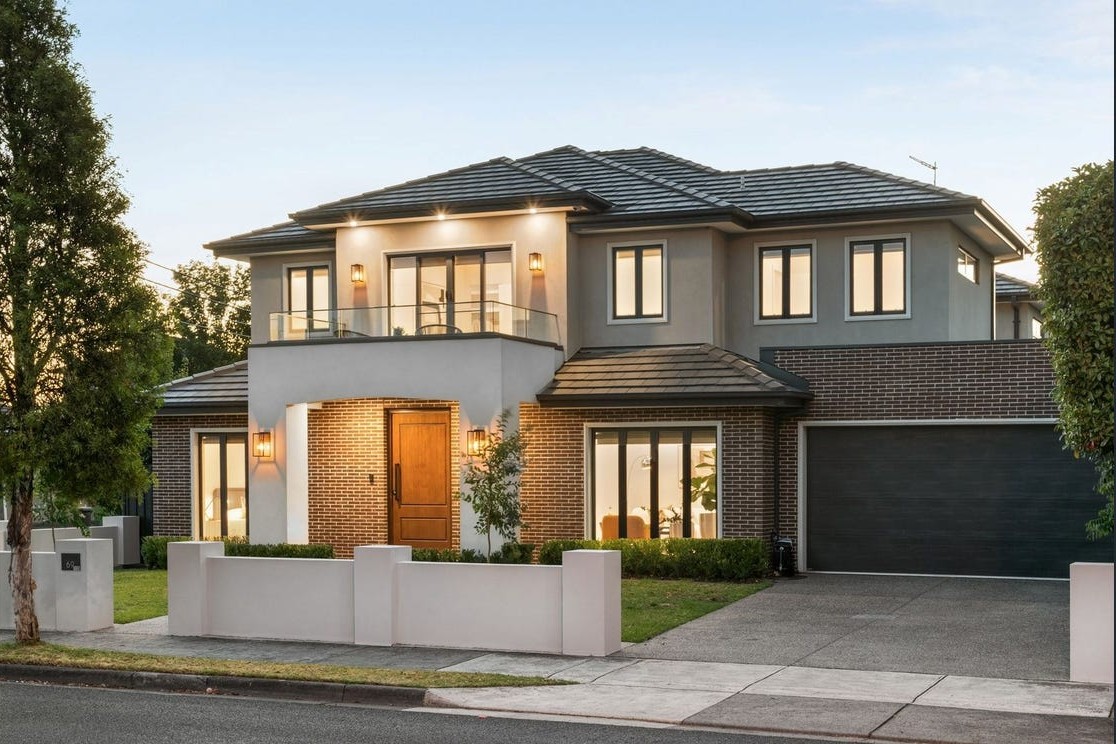
A New Benchmark for Reservoir Rentals
When the owners of 69 Oakhill Avenue, Reservoir sought rental appraisals, they received estimates from several agencies. Most placed the property's rental value somewhere between $900 and $1,000 per w
Jul 2, 2026
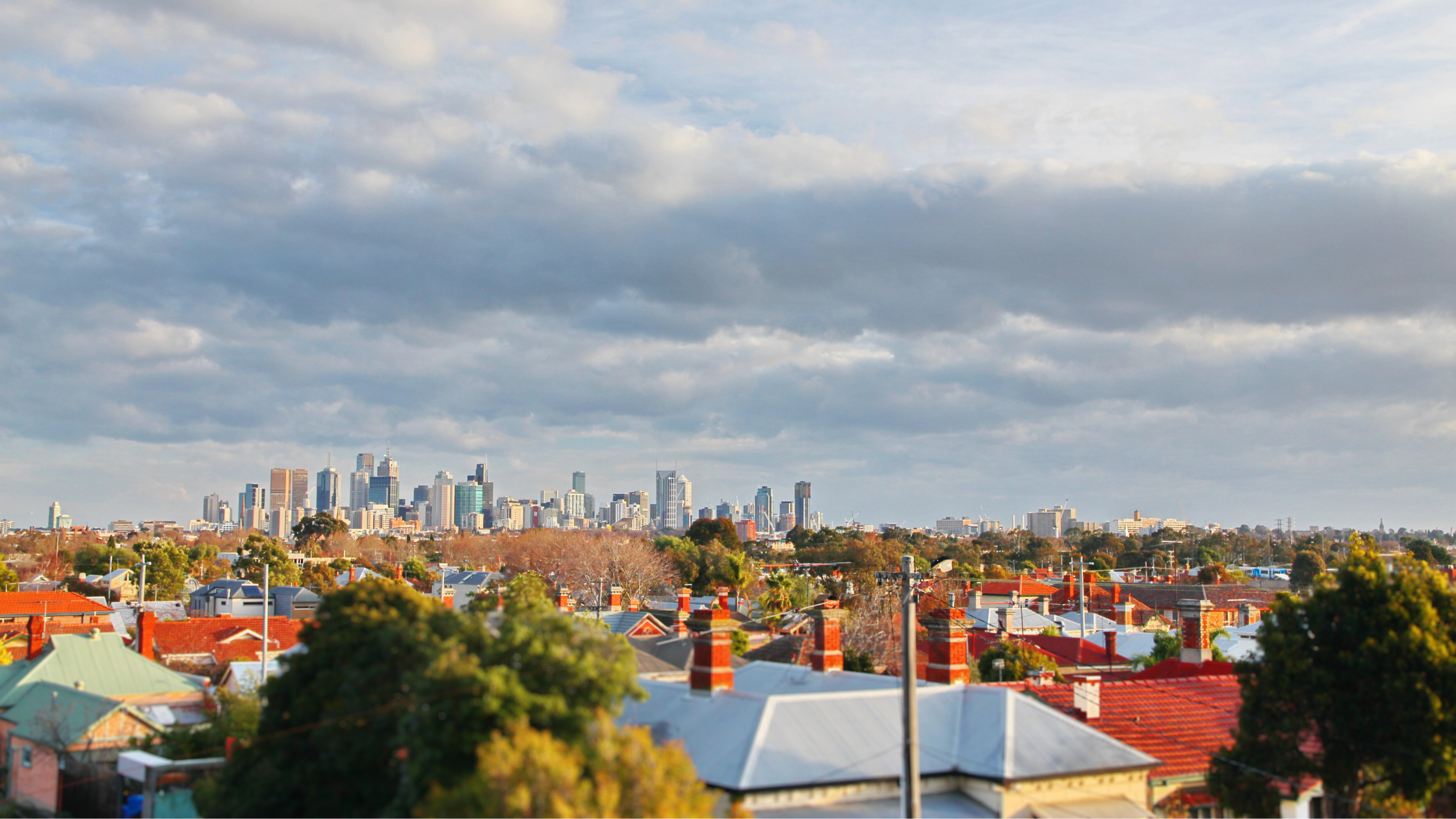
A Spotlight on Northcote
A Spotlight on Northcote Just six kilometres north-east of the Melbourne CBD, Northcote has long been one of the inner north's most sought-after addresses — and it's easy to see why. With its mix of V